Superior Durability
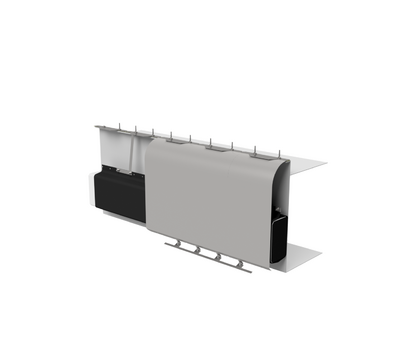
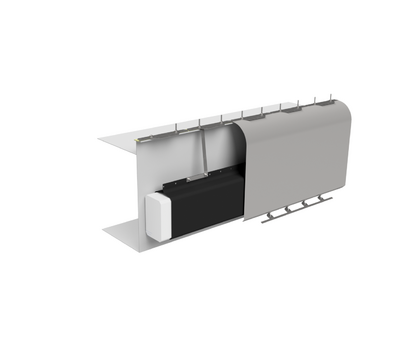
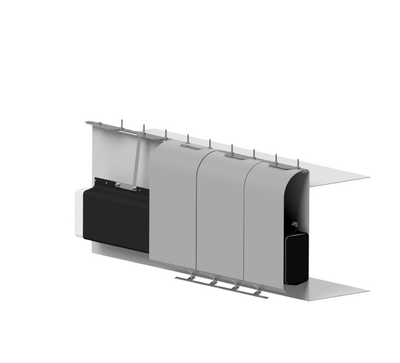
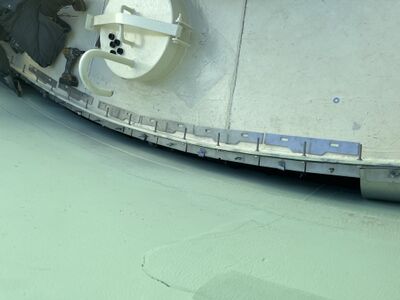
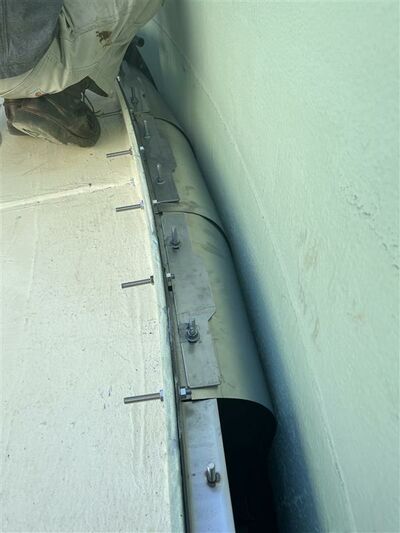
The stainless-steel outer layer provides metal-level durability and wear resistance, protecting the foam from mechanical damage (no puncture risk as with a bare foam seal). The fully hardened SS301 acts as a spring, maintaining consistent pressure and covering gaps even in out-of-round shells, like a compression shoe seal’s performance.
Chemical & Weather Resistant
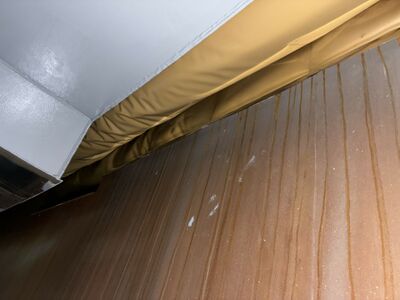
The fabric membrane shields the foam from hydrocarbons and chemicals, preventing saturation or degradation. PTFE/Urethane and stainless steel together offer excellent resistance to corrosive chemicals and UV exposure. This means the seal can be used with a broad range of stored products (from crude oil to aggressive chemicals) without material breakdown.
Emissions Control
As a liquid-mounted design, it virtually eliminates the vapor space at the rim, drastically cutting evaporative losses. Early data indicates the hybrid seal can achieve ~98% vapor emission reduction (in line with the strictest environmental standards) when used with a secondary seal. This is better vapor containment than typical single foam logs and even superior to some pure mechanical shoes. Reduced gap and tight contact also help meet stringent leak detection and gap inspection criteria.
Liquid Mounted Seal Design
The Foam envelope, situated behind the compression plates, is mounted such that there is contact with the stored product, eliminating vapor space and reducing the ability for the seal area to saturate with vapors.
Custom Design Solutions
All tank shells are not alike, and it’s critical that seals are designed to handle unique rim-space requirements. HMT’s engineering and manufacturing automation allow each seal to be manufactured to fit the specific rim space and verticality data provided by the purchaser, ensuring optimal performance and mitigating the chance of operational issues over time.
Longevity
By combining a non-degrading outer shell with a protected elastic core, the seal targets a longer service life than conventional foam seals. The expected lifespan is 10+ years of service with minimal maintenance, potentially outlasting many older designs. This reduces the frequency of seal replacements (saving on maintenance downtime and costs).